

There was a time when people talked about the digital divide in a very different way.
The conversation was simple.
Some people had access to the internet.
Others didn’t.
Some schools had computer labs.
Others had none.
Some homes had laptops.
Others shared a single phone among the entire family.
Back then, the biggest challenge was getting connected.
Today, for many people, that’s no longer the biggest problem.
Millions of people carry powerful smartphones in their pockets every single day.
High-speed internet is more accessible than it has ever been.
AI tools are available to almost anyone with an internet connection.
Learning resources are everywhere.
Yet something doesn’t add up.
Two people can have the same phone.
The same internet connection.
The same 24 hours in a day.
And five years later, one has built a thriving career using technology, while the other still feels like they’re watching everyone else move ahead.
So what changed?
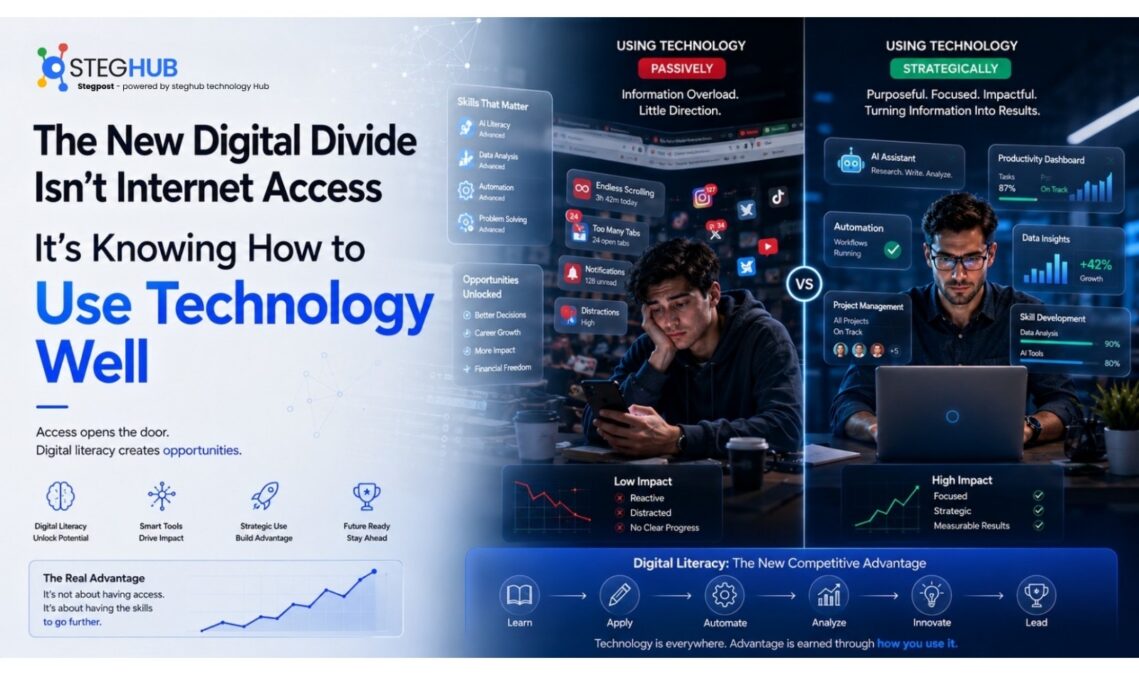
The new digital divide isn’t about access anymore.
It’s about how we use the technology we already have.
The Same Phone, Two Completely Different Lives
Picture this.
Two university students buy the same smartphone on the same day.
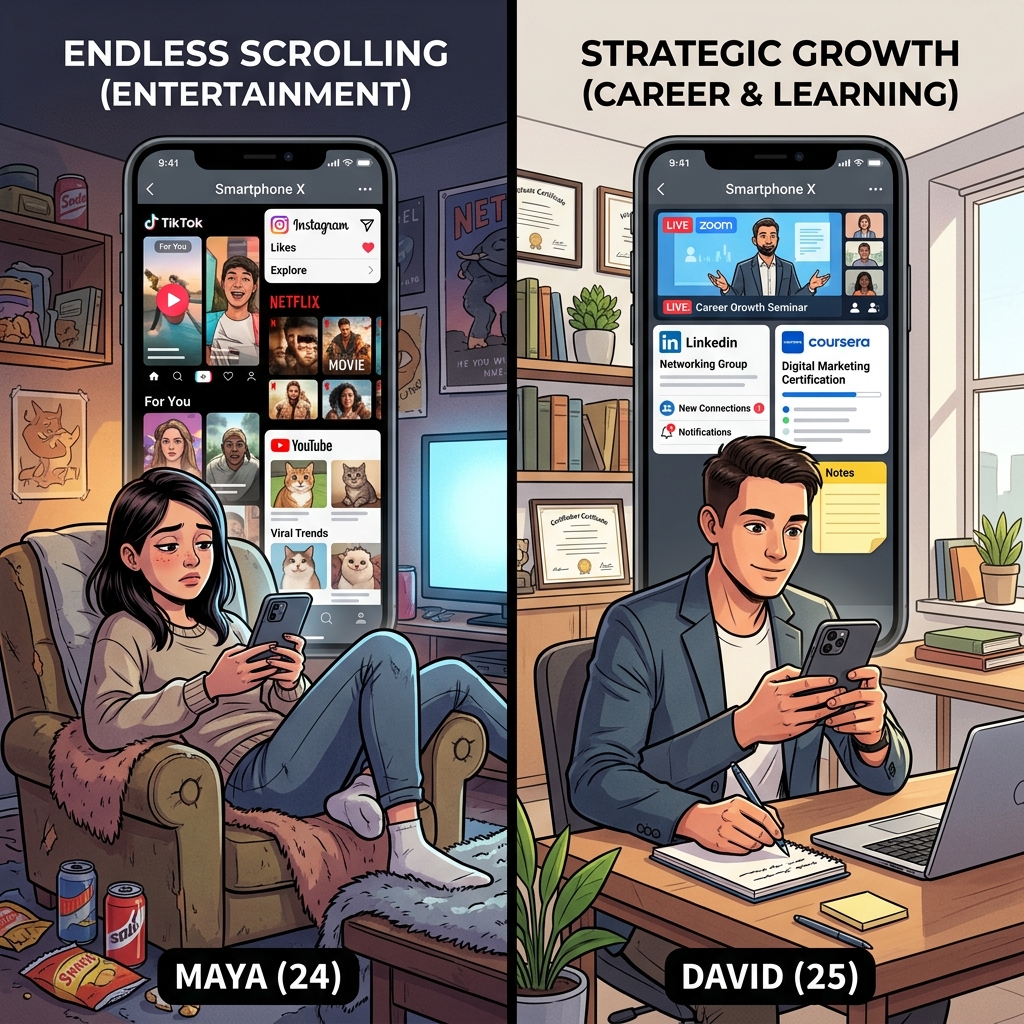
The first student mainly uses it to scroll through social media, watch short videos, and chat with friends.
Nothing wrong with that.
We all need time to relax.
The second student also enjoys social media.
But they use that same phone to attend free webinars, learn a tech skill, connect with professionals on LinkedIn, build a small portfolio, follow industry news, and apply for internships.
Fast-forward two years.
One phone became a source of entertainment.
The other became a career tool.
The difference wasn’t the device.
It was how it was used.
Technology Is a Tool, Not a Shortcut
One of the biggest misconceptions today is that simply having access to technology automatically creates opportunities.
It doesn’t.
Buying a gym membership doesn’t improve your fitness.
Owning a camera doesn’t make you a photographer.
Purchasing expensive cooking equipment doesn’t make you a chef.
In the same way, owning a laptop doesn’t automatically prepare you for a tech career.
The tool creates possibilities.
Your habits determine the outcome.
That’s why two people with similar resources can end up in completely different places.
Information Has Never Been More Available
Here’s something worth thinking about.
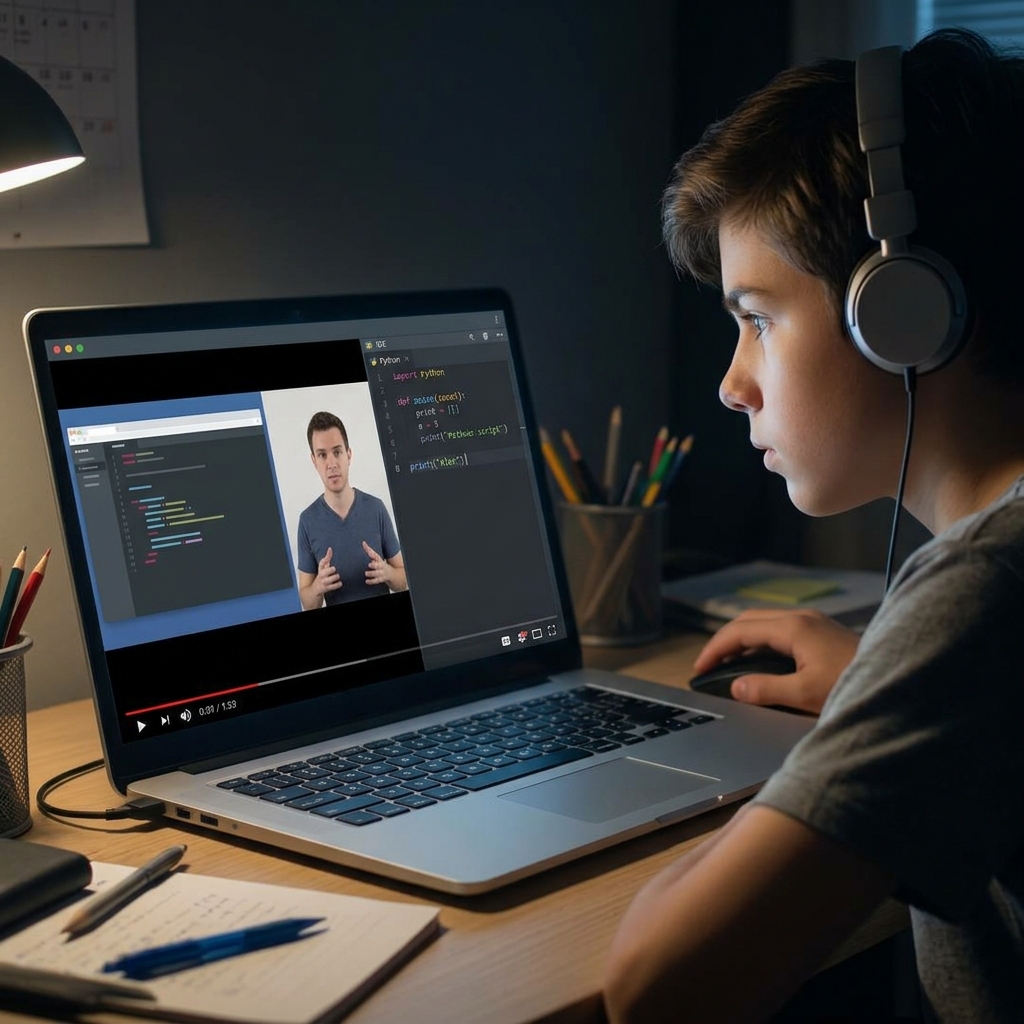
If you wanted to learn cloud computing, product management, software engineering, UI/UX design, data analytics, or cybersecurity today, you could probably find enough free content online to keep you busy for months.
Need career advice?
It’s online.
Need interview tips?
They’re online.
Need documentation?
Online.
Need communities where professionals answer questions for free?
Those exist too.
We’re living in a time where knowledge is no longer locked behind expensive classrooms.
The challenge now isn’t finding information.
It’s knowing how to turn information into action.
The Most Successful People Don’t Just Consume
Have you noticed something about people who seem to grow quickly in their careers?
They don’t just consume content.
They create.
Instead of only watching tutorials, they build projects.
Instead of only reading articles, they share what they’ve learned.
Instead of only following conversations, they join them.
Think about someone learning graphic design.
Watching fifty YouTube videos might teach them a lot.
But creating ten real designs teaches them even more.
Technology rewards people who participate, not just observe.
Your Online Presence Is Becoming Your First Impression
Years ago, employers often met candidates before learning much about them.
Today, it’s often the other way around.
Recruiters check LinkedIn.
Hiring managers browse portfolios.
Clients search your name online.
Communities remember people who consistently contribute.
Your digital presence has quietly become part of your professional identity.
That doesn’t mean you need thousands of followers.
It means being intentional.
Sharing projects.
Writing about what you’re learning.
Helping others.
Asking thoughtful questions.
Little by little, those actions build credibility.
And credibility opens doors.
AI Has Made This Even More Important
AI has changed something many people haven’t fully noticed.
It has lowered the barrier to creating.
Today, you can brainstorm ideas faster.
Draft content.
Build presentations.
Write code.
Analyze data.
Even design prototypes with AI’s help.
That means creating has become easier.
But there’s a catch.
If everyone has access to the same tools, then what makes someone stand out?
It’s not the technology.
It’s how they use it.
The people who ask better questions, think more critically, and apply technology to real problems will always create more value than those who simply use the latest tool because it’s trending.
Small Daily Habits Create Big Opportunities
Sometimes people imagine career growth as one huge breakthrough.
A dream job.
A viral post.
A life-changing opportunity.
In reality, it often looks much smaller.
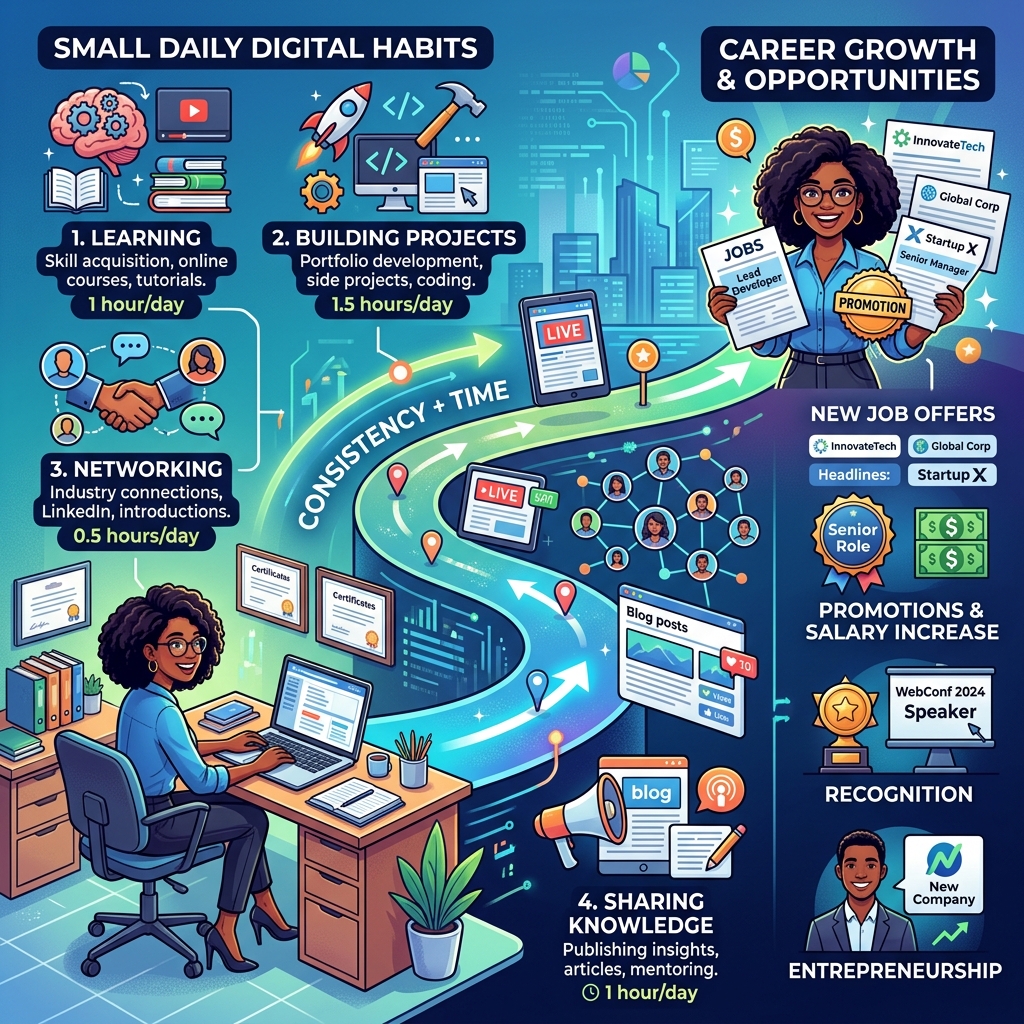
Reading one article each morning.
Building one project every month.
Posting one insight every week.
Joining one professional conversation.
Applying for one opportunity, you almost talked yourself out of.
These habits don’t feel dramatic.
But over time, they quietly compound.
Much like saving a small amount of money regularly, the results become visible long after the habit begins.
Final Thoughts: Technology Rewards Intentional People
The internet has given us something previous generations could only dream about.
Unlimited access to information.
Learning.
Communities.
Opportunities.
Powerful tools.
The question is no longer:
“Do you have access?”
For many people, the better question is:
“What are you doing with the access you already have?”
Because technology doesn’t change lives on its own.
People do.
Through curiosity.
Consistency.
Action.
And a willingness to keep learning.
So the next time you unlock your phone or open your laptop, remember this:
The same device that can distract you for three hours can also teach you a skill, connect you with a mentor, help you build your next project, or even lead you to your next job.
The choice is yours.
And that choice might be the biggest difference between simply using technology and truly benefiting from it.

