

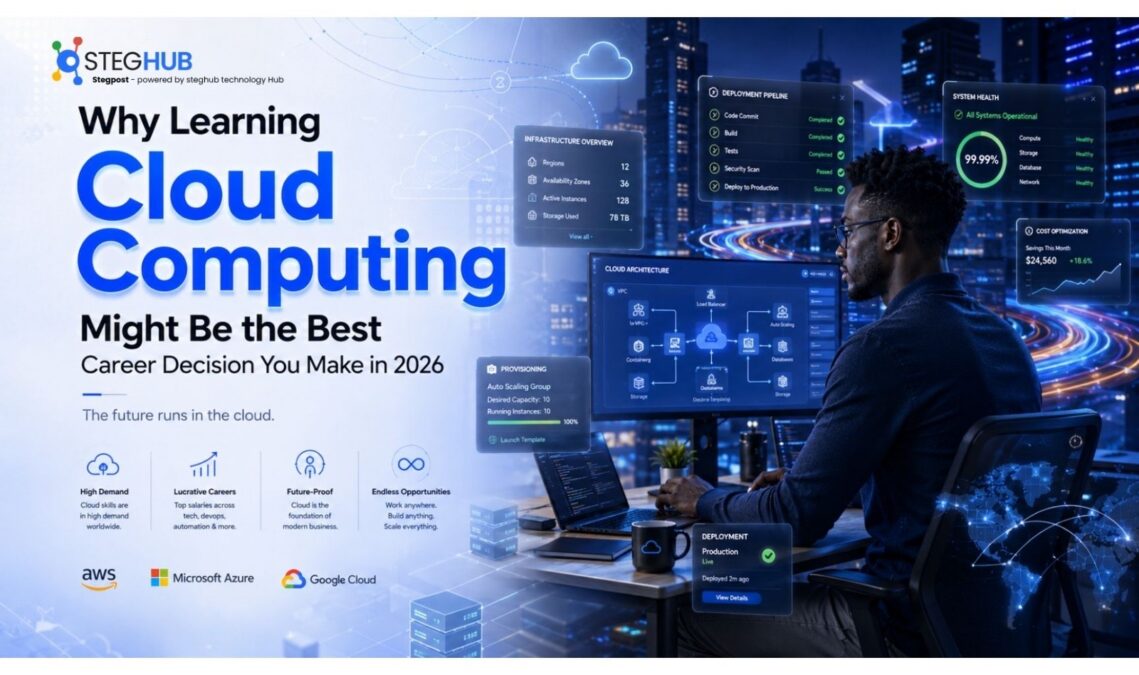
A few years ago, if someone mentioned cloud computing, most people would either nod politely or immediately assume the conversation was meant for IT professionals.
Today, that’s changing.
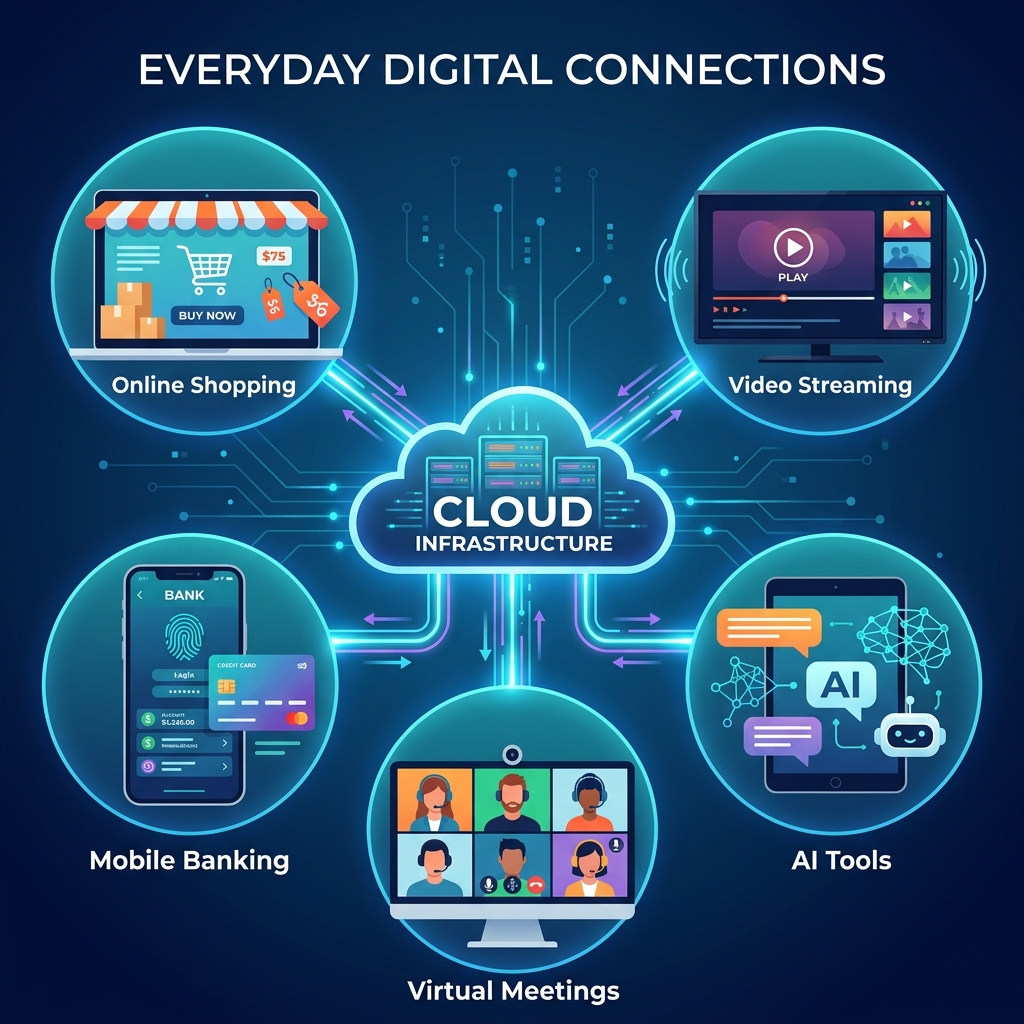
Whether you’re ordering food online, streaming a movie, attending a virtual meeting, backing up photos, or using AI tools, chances are you’re interacting with cloud technology without even realizing it.
And that’s exactly why cloud computing has become one of the most valuable skills in today’s job market.
The interesting part?
While everyone seems to be rushing toward AI, many people are overlooking one important fact: AI, applications, websites, and digital platforms all need somewhere to live.
And that “somewhere” is often the cloud.
So if you’re thinking about learning a tech skill in 2026, cloud computing deserves a serious spot on your radar.
First Things First: What Exactly Is Cloud Computing?
Let’s keep this simple.
Imagine you own a small business.
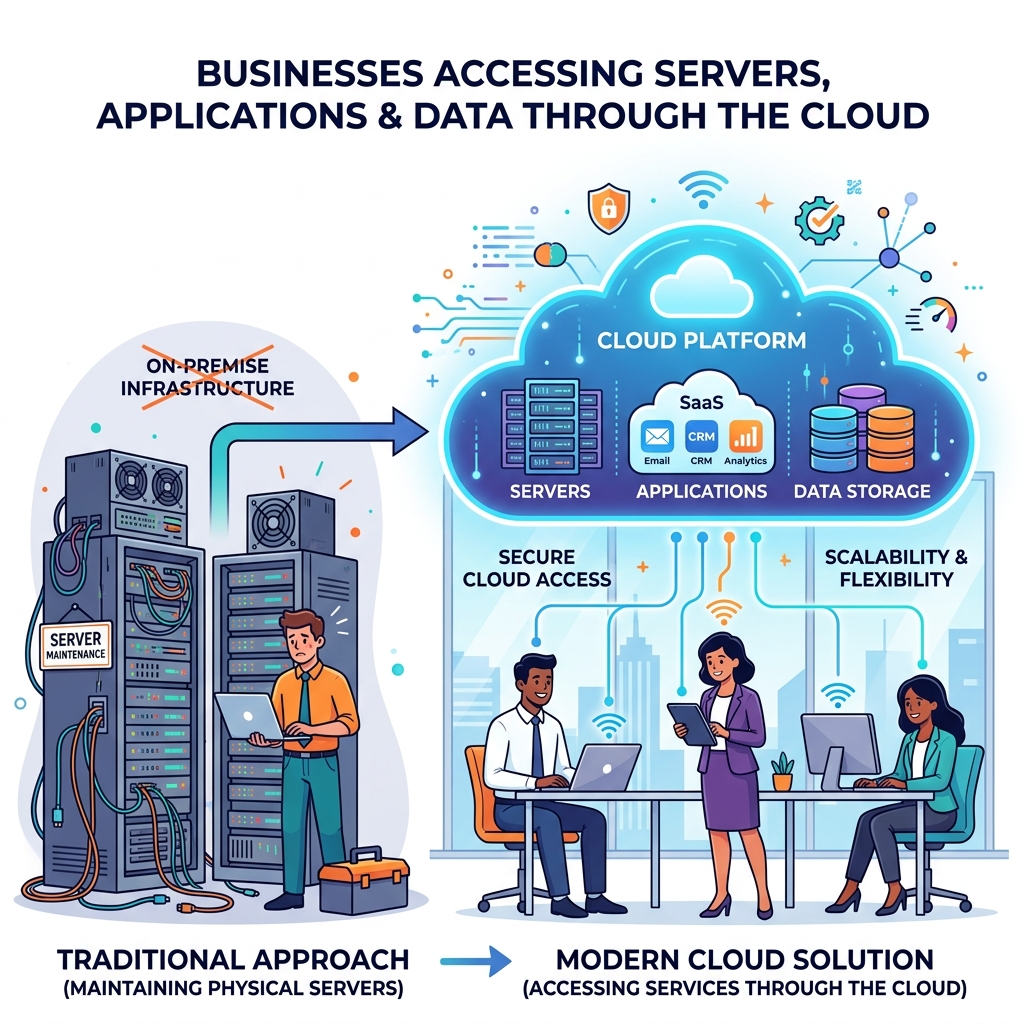
Years ago, if you wanted to run a website, you’d probably need expensive servers sitting in an office somewhere. You’d need people to maintain them, fix problems, upgrade hardware, and keep everything running.
Sounds stressful, right?
Now imagine instead that you could rent exactly what you need from a provider and access it from anywhere in the world.
That’s essentially what cloud computing does.
Rather than buying and managing physical infrastructure yourself, you use computing resources over the internet.
Think of it like electricity.
Most people don’t own a power station.
They simply use electricity when they need it.
Cloud computing works in a very similar way.
Businesses use computing power, storage, databases, and services whenever they need them.
Why Companies Are Moving Everything to the Cloud
Let’s imagine you run an online store.
Business is great.
You normally get 500 visitors a day.
Then one day, one of your products goes viral on social media.
Suddenly, 50,000 people visit your website.
Without cloud infrastructure, your website could crash under the pressure.
Customers leave.
Sales disappear.
Everyone panics.
With cloud services, resources can often scale automatically to handle increased demand.
It’s one of the reasons businesses of all sizes are moving to the cloud.
They want flexibility.
They want reliability.
And they want systems that can grow with them.
From startups to global corporations, cloud technology has become part of everyday business operations.
The Demand Is Bigger Than Most People Realize
Here’s something many people don’t know.
As companies move their systems online, they need professionals who understand how those systems work.
Not just developers.
Not just engineers.
Cloud-related opportunities now exist across multiple roles.
Companies need people who can:
- Manage cloud infrastructure
- Monitor systems
- Improve security
- Automate deployments
- Support cloud migrations
- Optimize performance
- Reduce operational costs
The demand isn’t limited to one industry either.
Healthcare uses cloud technology.
Banks use it.
Retail companies use it.
Educational institutions use it.
Government organizations use it.
The list keeps growing.
The Cloud Is Quietly Powering Almost Everything
Think about the apps you use every day.
Your favorite music app.
Your email.
Online banking.
Food delivery services.
Video streaming platforms.
AI tools.
Most of them rely heavily on cloud infrastructure behind the scenes.
It’s a bit like plumbing.
Most people don’t think about it.
Until it stops working.
The cloud has become part of the invisible foundation that powers modern digital experiences.
And the more businesses depend on technology, the more valuable cloud skills become.
You Don’t Need to Be a Coding Genius
This is where many people talk themselves out of learning cloud computing.
They assume it’s only for highly technical experts.
That’s simply not true.
Do technical skills help?
Absolutely.
But many successful cloud professionals started with little or no coding experience.
The most important qualities are often:
Curiosity.
Problem-solving.
A willingness to learn.
Consistency.
Think about learning to drive.
At first, everything feels confusing.
The pedals.
The mirrors.
The traffic signs.
Eventually, things begin to click.
Cloud computing follows a similar pattern.
The beginning feels unfamiliar.
Then concepts start connecting.
Then confidence starts growing.
AWS, Azure, and Google Cloud: Do You Need to Learn Them All?
This is one of the most common questions beginners ask.
The short answer?
No.
Trying to learn everything at once is usually the fastest way to become overwhelmed.
A better approach is to start with one platform.
AWS is currently one of the most widely used cloud platforms.
Microsoft Azure has strong adoption among large organizations.
Google Cloud continues to grow, particularly among data-focused and technology-driven companies.
Think of it like learning your first language.
Once you understand the fundamentals, learning another becomes much easier.
Focus on one.
Build confidence.
Then expand later.
The Real Opportunity Isn’t Just Employment
Most people approach cloud computing with one goal:
Getting a job.
And that’s a great goal.
But there are other opportunities too.
Cloud knowledge can help freelancers build better solutions.
Entrepreneurs can create more scalable businesses.
Developers can deploy applications more effectively.
Business owners can make smarter technology decisions.
In other words, cloud skills don’t only create employment opportunities.
They create leverage.
And leverage is becoming increasingly valuable in a technology-driven world.

Getting Started Is Easier Than You Think
One mistake people make is assuming they need expensive equipment or advanced technical knowledge before they begin.
You don’t.
Many cloud providers offer free learning resources.
There are beginner-friendly tutorials online.
There are communities full of people learning the same skills.
The hardest part is often not the learning itself.
It’s starting.
Because once you begin, you quickly realize that cloud computing isn’t some mysterious technology reserved for a select few.
It’s a skill.
And like any skill, it can be learned one step at a time.
Final Thoughts: The Future Is Already Here
Every year, more businesses move their operations online.
More applications get built.
More services are becoming digital.
More data gets generated.
And behind much of it sits cloud infrastructure.
That’s why cloud computing isn’t just another tech trend.
It’s becoming part of the foundation of how modern businesses operate.
Will cloud computing guarantee success?
Of course not.
No skill can do that.
But if you’re looking for a field with strong demand, real-world applications, and opportunities across multiple industries, cloud computing is certainly worth considering.
The people who start learning today won’t just be preparing for the future.
They’ll be preparing for the present.
Because the cloud isn’t coming.
It’s already here.

